
[no_toc]

10 Strange Mental Disorders
The human brain is much more complex than most of…

6 Frightening Man Made Disasters From Around The World
Man made disasters are those that are caused by the…

Suspended Animation: Fact or fiction?
Is suspended animation possible? Erica Nordby, a toddler in Edmonton…

8 Amazing And Scary Facts About AI
We can thank Alan Turing for coining the term Artificial…

6 Science Facts To Make You Sound Clever
Whether you want to seem smart at a dinner party…

5 Childhood Myths Proven Scientifically True
Childhood is considered to be the most beautiful period of…

12 Fascinating Facts About Your Brain
The brain is the most important part of our bodies….

What is Synesthesia?
Synesthesia is a inter-connection, multi-connection in the neurological system, between…

7 Cruelest Punishments of the Ancient World
Most Brutal Punishments From History History is a great and…

Spartan Warrior Brutal Training Practices
Spartan Training Spartan society was home to some of the…

10 Fake Documents that Changed History
10 Historical Documents Proven to be Forgeries We’re all aware…

Top 7 Unsolved Mysteries of American History
American Unsolved Mysteries The assassination of JFK. The masonic architecture…

Why are human babies so helpless?
Human adults have large brains capable of complex thought. Adult…

Key to Life Success – Wait for Two Marshmallows?
It’s true. At least, according to a revealing long-term study…

Can Memories Be Faked? The Science of Memory
How would you feel if someone implanted a fake memory…

When Was the Great Wall of China Built?
One of the most popular, interesting, historic, and attractive UNESCO…

Why Did Astrology Start?
Most people are aware of their sun sign (Leo, Virgo,…

The Amazing Opposable Thumb in Humans
Opposable Thumb Facts The human thumb is opposable and prehensile,…

How is the Common Cold Spread?
How Rhinovirus Infects Humans Most colds are caused by rhinoviruses,…

How many taste buds do supertasters have?
Supertaster Facts Some people are ‘supertasters,’ some are ‘regular tasters’,…
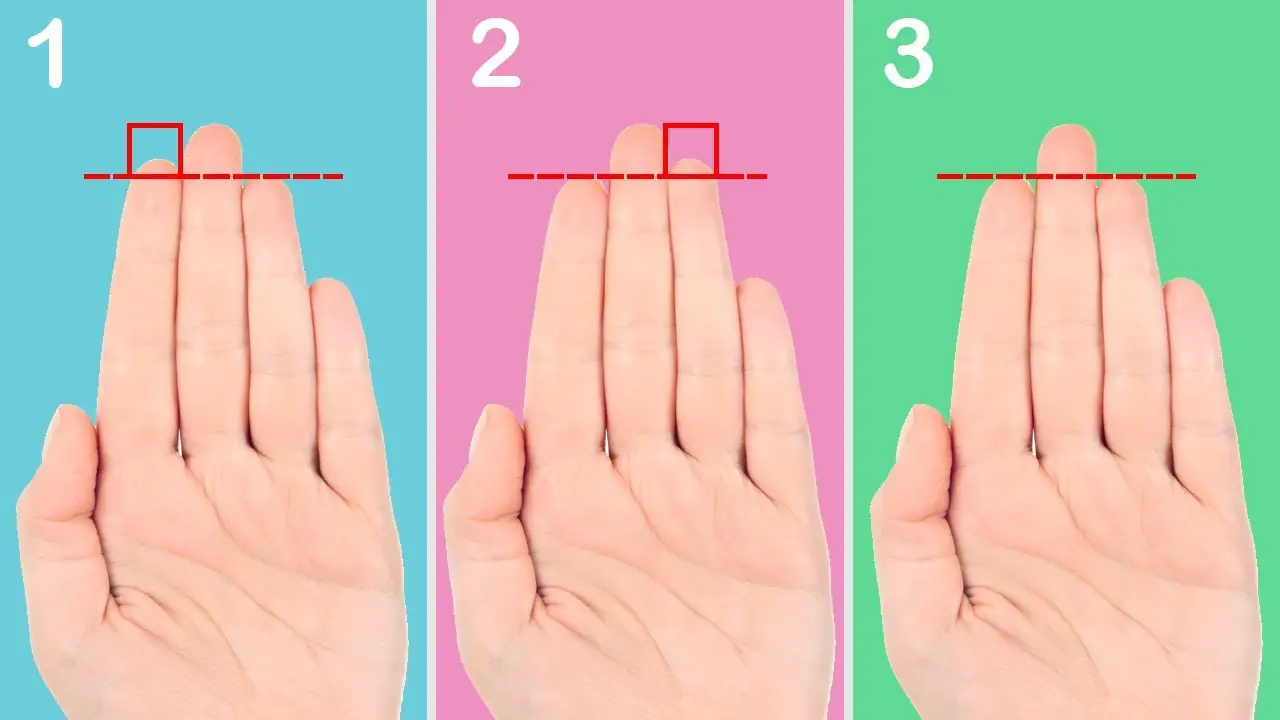
Why are our fingers different lengths?
As there are a lot of fingers, I will concentrate…

Why does your stomach growl when you’re hungry?
The stomach rumbling sounds are known as borborygmi, and they…
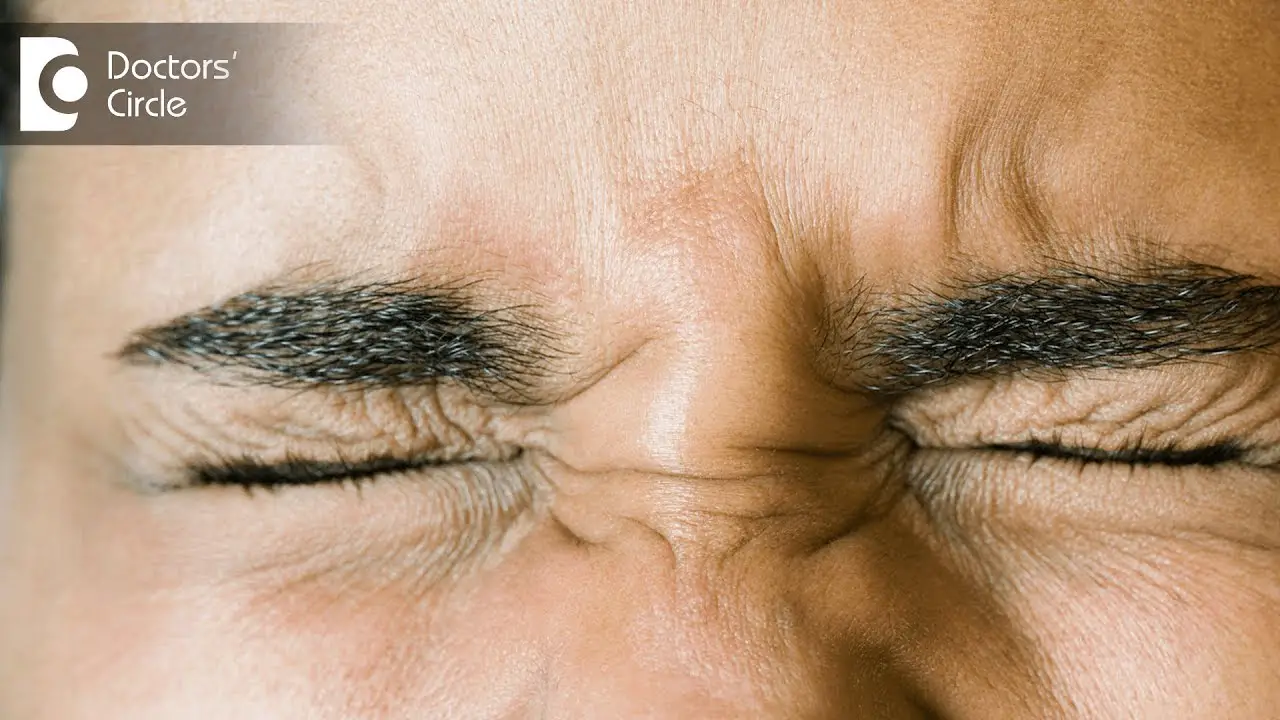
How many times do we blink a day?
This is a very good question but it does not…
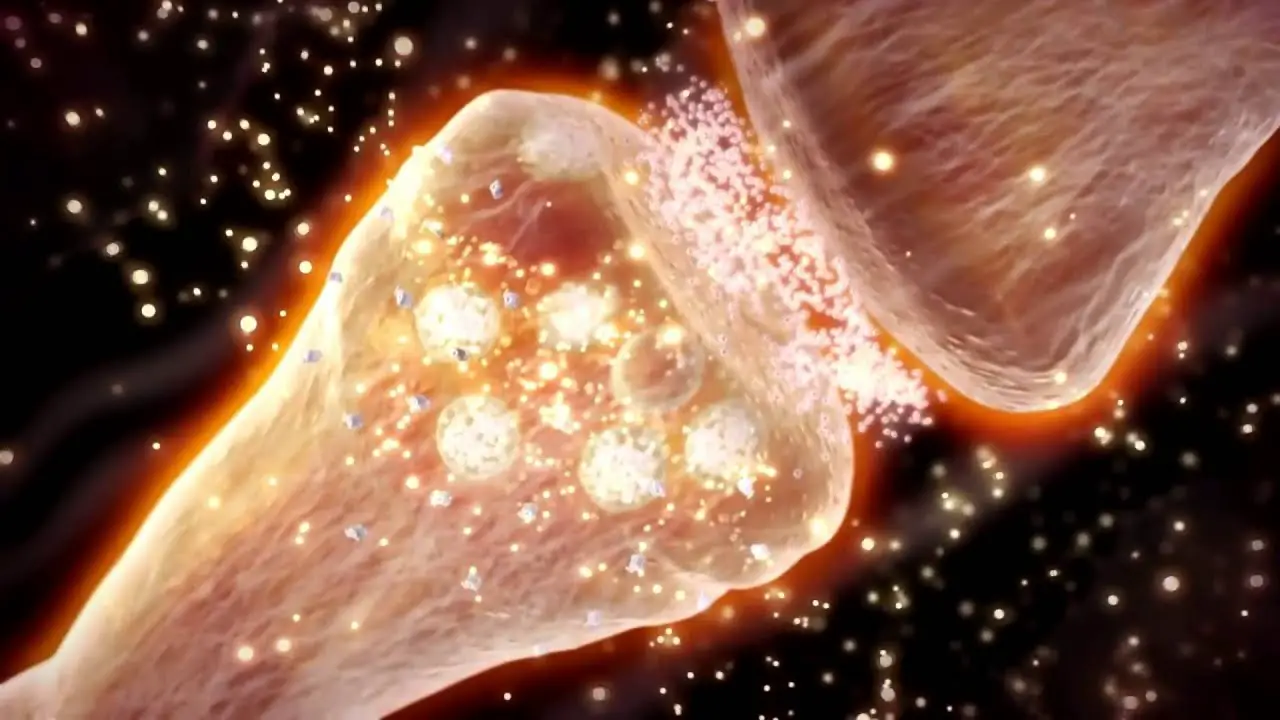
What is Biochemistry?
Study of the Chemistry of Living Things DNA, enzymes, fats,…
Fun Facts about Humans
- If stomachs did not have a lining of mucus, your stomach would digest itself.
- There are 60,000 miles of blood vessels in the human body.
- It takes about 60 seconds for a human blood cell to make a complete circuit of the body.
- The average person will shed 40 pounds of skin in his/her lifetime.
- 1/15th of a pint of blood is pumped with every heartbeat.
- Humans share 98.4% of our DNA with chimps. In comparison, we share 70% of our DNA with a slug.
- The lightest baby to survive weighed a mere 283 grams.
- On average, women say 7,000 words per day while men manage just over 2,000 words.
- The human brain uses 20% of the body’s energy but is only 2% of the body’s weight.
- On average, humans lose 40-100 strands of hair per day.
- A sneeze can exceed the speed of 100mph.
- A cough can reach the speed of 60mph.
- The average person will drink about 16,000 gallons of water in his/her lifetime.
- It takes 17 muscles to smile while taking 43 muscles to frown.
- The human brain is composed of 75% water.
- Human thigh bones are stronger than concrete.
- More germs are transferred while shaking hands compared to kissing.
- There are approximately 550 hairs in a person’s eyebrow.
- The strongest muscle in the human body is the tongue.
- A person produces 10,000 gallons of saliva in an average lifetime.
- The hardest bone in the human body is the jawbone.
- The number of eye blinks varies greatly from about 29 blinks each minute if you are talking to someone to only 4 blinks each minute if you are reading.
- The average human blinks 25 times per minute.
- A nail takes around 6 months to grow from base to the tip.
- Each second 10,000,000 cells die and are replaced in your body.
- Your liver performs over 500 functions in your body.
- The average person spends 1/3 of their lifetime sleeping.
- More germs are transferred when shaking hands than kissing.
- The average person (from western culture) consumes 10 liters of alcohol per year.
- Roughly 75% of people who play the radio in their car sing along to it.
- 31. Human thigh bones are stronger than concrete.
- Your right lung takes in more air than your left one does.
- The human brain is composed of 75% water.
- 70% of the composition of dust in your home is made up of shed human skin and hair.
- The tooth is the only part of the human body that can’t repair itself.
- One human hair can support 3kg.
- Humans are the only animals that cry tears and blush.
- It takes the interaction of 72 different muscles to produce human speech.
- If the normal one hundred thousand hairs on a head were woven into a rope, it could support a weight of more than twelve tons.
- The fingernail grows about 1.5 inches per year.
- The total amount of skin covering an adult human weighs 6 lbs.
- The average person flexes the joints in their fingers 24 million times during a lifetime.
- Each person inhales about seven quarts of air every minute.
- On average, we breathe between 12 and 18 times a minute.
- The average guy will grow about 27 feet of hair out of his face during his lifetime.
- Approximately 1 out of 25 people suffer from asthma.
- The average man sweats 2 1/2 quarts every day.
- One out of every hundred American citizens is color blind.
- An average person laughs about 15 times a day.
- A human heart beats 100,000 times a day.
